The Department of Electrical Engineering & Computer Science at South Dakota Mines blends theory and practical application to advance innovation
in computing, communications, and systems engineering. Students work with faculty
on research in areas such as embedded systems, power electronics, software engineering, and data systems. With access to state-of-the-art labs and collaborative projects, graduates are well
prepared for technology-driven careers in industry and academia.
Ask an EECS Student
Have questions about what it’s really like to study Electrical Engineering, Computer Engineering, Computer Science, or Data Science &
Engineering at South Dakota Mines? Send an email to one of our EECS student ambassadors! They’re happy to share their
experiences, talk about classes, campus life, and anything else you’re curious about.
The EECS capstone program connects senior student teams with industry partners to
tackle real-world challenges in computer engineering, computer science, data science
and engineering, and electrical engineering. Sponsors provide meaningful technical
projects and collaborate with students throughout the academic year as teams develop
proof-of-concept solutions and gain hands-on engineering experience.
Work with our renowned faculty and collaborate on groundbreaking projects that address
real-world challenges. The hands-on experience and expertise you will acquire at South
Dakota Mines will not only contribute to your academic growth but also prepare you
for successful careers in academia, industry, or government agencies.
Work in the SGERL centers on developing future power and energy systems, with research
areas in renewable energy integration, rural power grid development, demand-side management,
smart meter data analysis, and electric arc protection. The goal of our research is
to develop safe, smart, and sustainable (SSS) power and energy systems for the future.
Research conducted in the MLIS Lab is at the forefront of machine learning for multi-modal
spatiotemporal data. Here, we investigate advanced algorithms for fusing multi-modal
data along different spatiotemporal timescales, as well as dimensionality reduction,
pattern classification of multi-modal data, and predicting future events through multi-modal
forecasting methods, among other focus areas.
The Antennas and Microwave Sensing Lab at Mines is equipped with 3D printers, software-defined
radios, vector network analyzers, and a walkable anechoic chamber. Research in this
lab centers on microwave sensing and direction-finding systems for both civilian and
military applications, including infrastructure inspections, rescue missions, electronic
support, and electronic warfare.
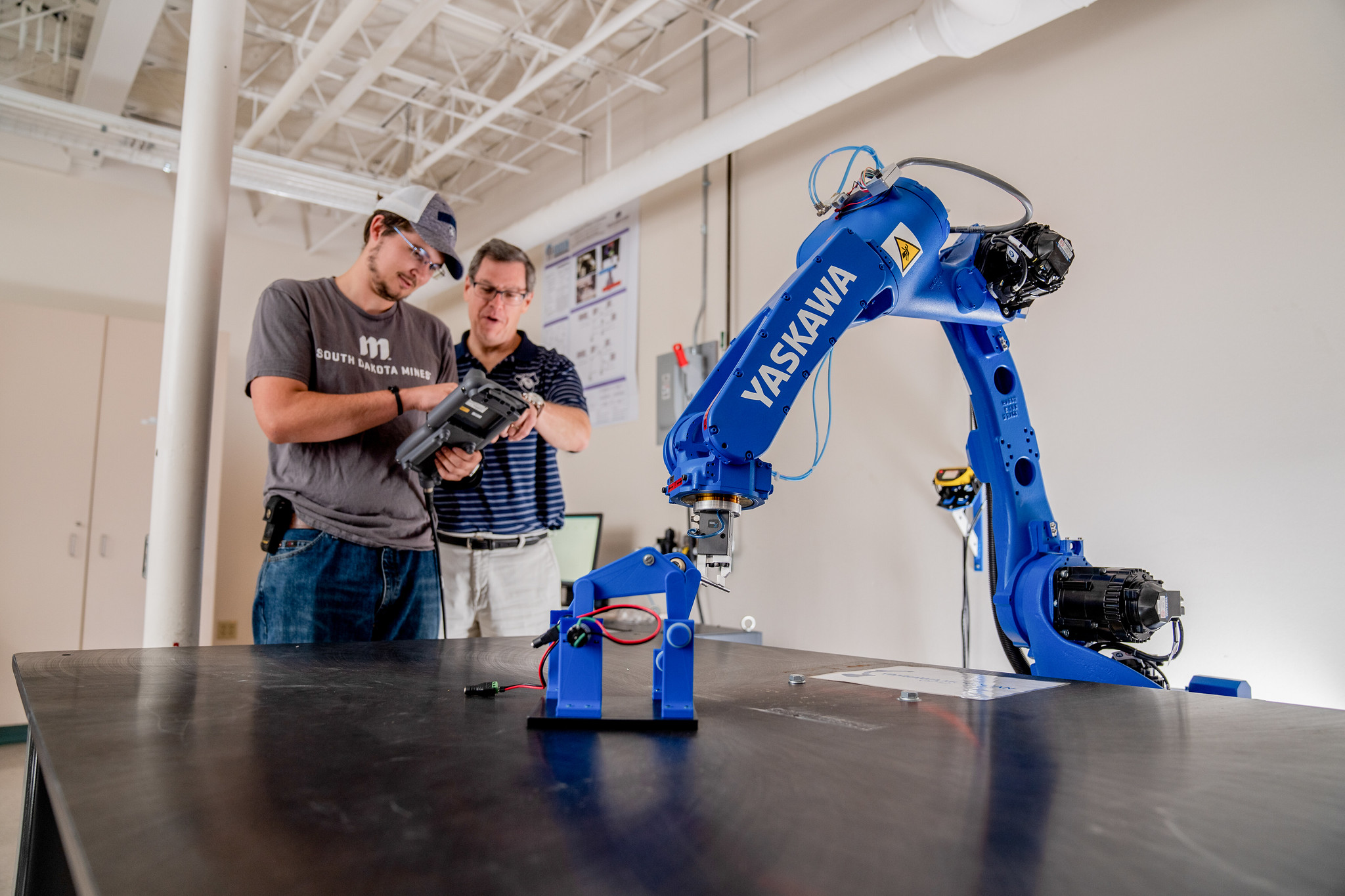
Cyber-Physical Systems Lab
Research in the Cyber-Physical Systems Lab at South Dakota Mines explores innovative
approaches to designing, implementing, and verifying mobile robots and real-time systems.
(Think self-driving cars, traffic systems, and implantable devices.) Developed systems
play pivotal roles in areas such as safety-critical applications, clean and smart
energy systems, precision agriculture, mining operations, and biomedical engineering.
Virtual Reality Lab
Virtual reality is not just for gamers – and never was! This technology dates back
decades and continues to advance daily.
At South Dakota Mines, research conducted in the Virtual Reality Lab goes beyond virtual
(VR) and augmented realities (AR). A specific focus of this lab is cybersickness,
and research also encompasses usability and development of extended reality (XR).
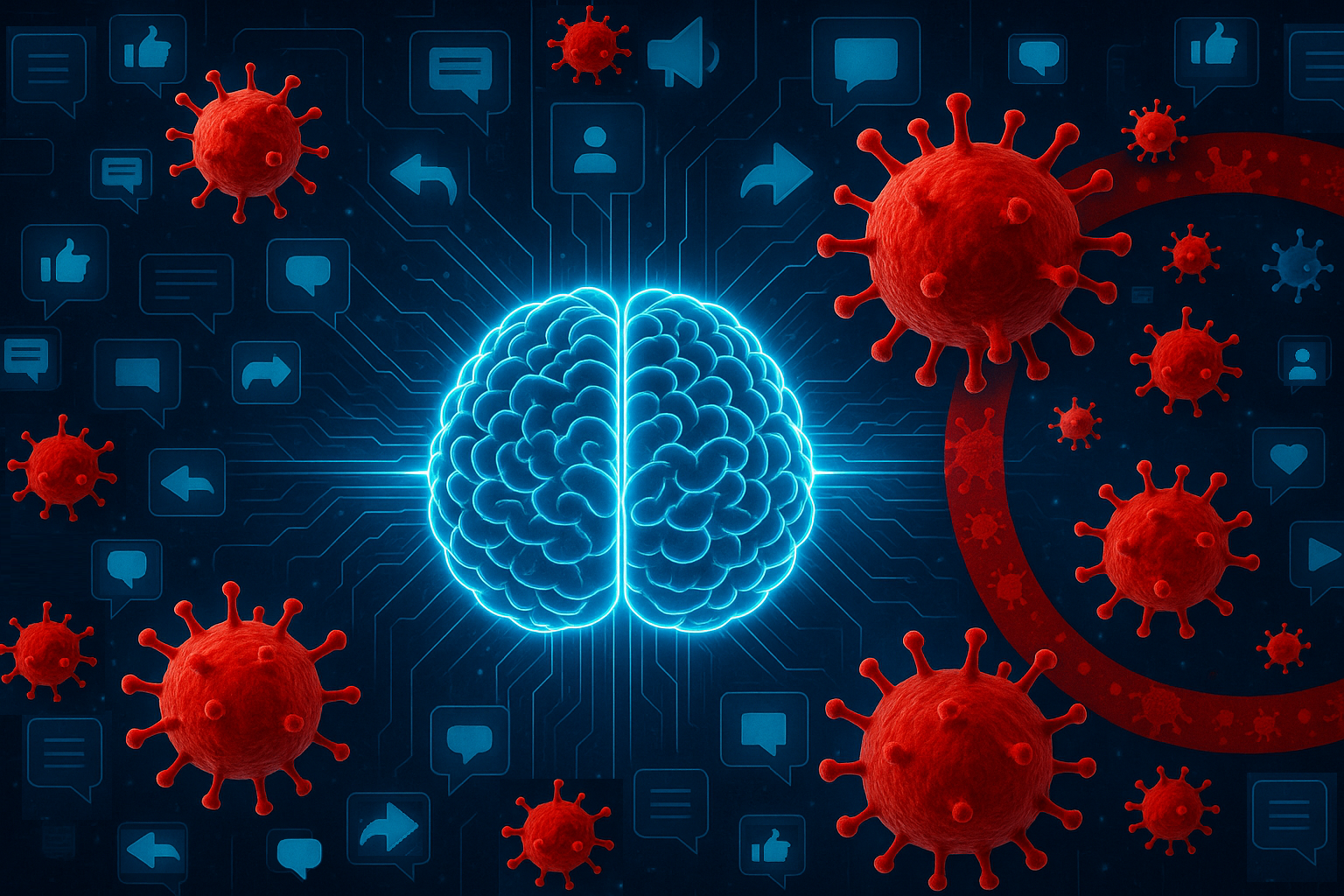
Research in Mines' DDIHTS Lab integrates AI, machine learning, natural language processing,
and human-computer interaction to investigate the dynamics of public discourse in
various circumstances – from global health crises to the spread of conspiracy theories.
This lab also advances emotion-aware assistive technologies for smart homes, fostering
independence and well-being among older adults.