

Mines Launches Extremophile-Inspired Fungal Research Labs Through NSF Grant
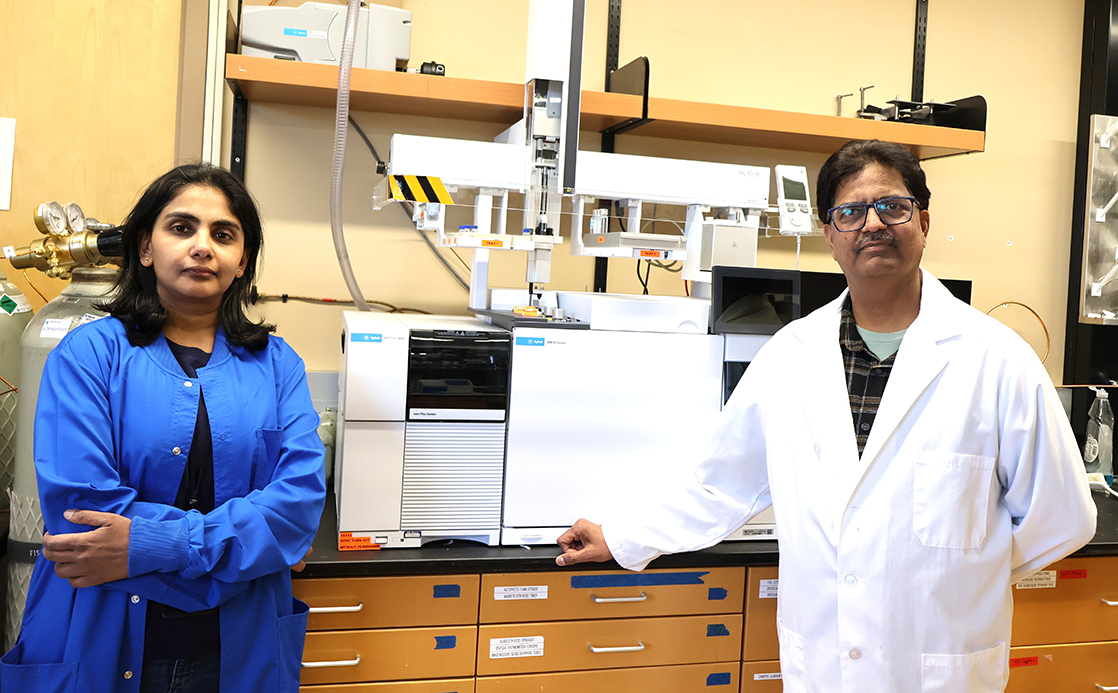
South Dakota Mines is launching state-of-the-art fungal research laboratories through an $800,000 National Science Foundation (NSF) grant, joining a multi-institutional effort to harness the power of artificial intelligence in the fight against antibiotic resistance, biofilm formation and crop toxin contamination.
The four-year NSF project, led by South Dakota State University associate professor Nicholas Butzin, Ph.D., brings together researchers from Mines, SDSU, and the University of Nevada, Las Vegas, to create a next-generation platform to identify and study small molecules that can neutralize harmful microbes.
At Mines, the focus is on extremophile-based antifungal discovery. The team of researchers, led by Mines professor Rajesh Sani, Ph.D., and assistant professor Tani Govil, Ph.D., will explore more than 1,000 unique extremophilic microorganisms that thrive in boiling springs, acidic lakes and saline flats. The new labs will enable scientists to discover novel molecules that can block the production of aflatoxins, toxic fungal metabolites that pose a threat to food safety and crop yields.
The research labs will include:
- Controlled fungal culture suites for aflatoxin-producing environmental fungal species
- Metabolite screening systems for extremophile extracts
- Quantitative assay tools to measure toxin inhibition
- Bioinformatics workstations linking molecular activity to genetic traits
“These facilities will enable direct experimental validation of antifungal molecules discovered through computational predictions or extremophile extracts, creating one of the first dedicated extremophilic fungal-toxin research environments in the state,” said Govil.
Aside from new discoveries, the project builds a new generation of curious minds.
“Through hands-on training in fungal biotechnology, bioprocessing, and environmental applications, we are cultivating the new generation of scientists who think across disciplines and industries, fueling the workforce for tomorrow’s biomanufacturing economy,” said Sani.
At Mines, studying microbes from Earth’s harshest environments is transformational, advancing food safety, protecting crops and giving students hands-on research experience that fuels South Dakota’s bioeconomy.